
Disclosure: This article is published by Datamagnet. Vendor claims are self-reported unless otherwise noted.
How to Reduce Candidate Ghosting With Faster Recruiter Follow-Up Workflows
Candidate ghosting isn't just a candidate problem anymore. In 2026, 61% of U.S. job seekers report being ghosted after an interview, a 9-point jump since early 2024 (The Interview Guys, 2025 Ghosting Index, 2025). The silence runs both directions, and most of it traces back to one fixable bottleneck: how fast a recruiter follows up.
This guide breaks down why candidates disappear, what response speed actually does to engagement, and the follow-up workflows that keep candidates from going quiet mid-process.
Key Takeaways
- In 2026, 25% of job seekers admit to ghosting an employer, most often after accepting a competing offer (LiveCareer, One in Four Job Seekers Have Ghosted a Potential Employer, 2026).
- 80% of candidates want faster recruiter responses, yet only 19% hear back within 24 hours, and roughly a third abandon applications over the delay (Sense, via HR Dive, 2022).
- A strong candidate experience swayed 66% of hires toward accepting an offer, while poor experiences pushed 26% to decline one (CareerPlug, Candidate Experience Statistics & Research Report 2025, 2025).
- Automating alerts and follow-up triggers, rather than relying on manual check-ins, is what actually closes the response-time gap at scale.

Why Do Candidates Ghost Recruiters?
Job/culture misfit, weak pay or benefits, and accepting a competing offer are the top three reasons candidates cite for going quiet — but only 23% blame poor recruiter communication directly (Indeed, How Job Seekers and Employers are Responding to Ghosting, 2026). That's a smaller share than most recruiters assume.
<!-- [UNIQUE INSIGHT] -->The gap between candidate self-reports and recruiter perception matters here. Candidates rarely say "you were too slow" outright; they just stop replying once a faster offer lands. Speed doesn't eliminate every reason a candidate disappears, but it shrinks the window competitors have to steal them away.
Recruiters see it differently. When HR teams are surveyed directly, communication gaps and drawn-out processes rank near the top of what they believe drives candidates away — a perception gap worth designing around, not arguing with.
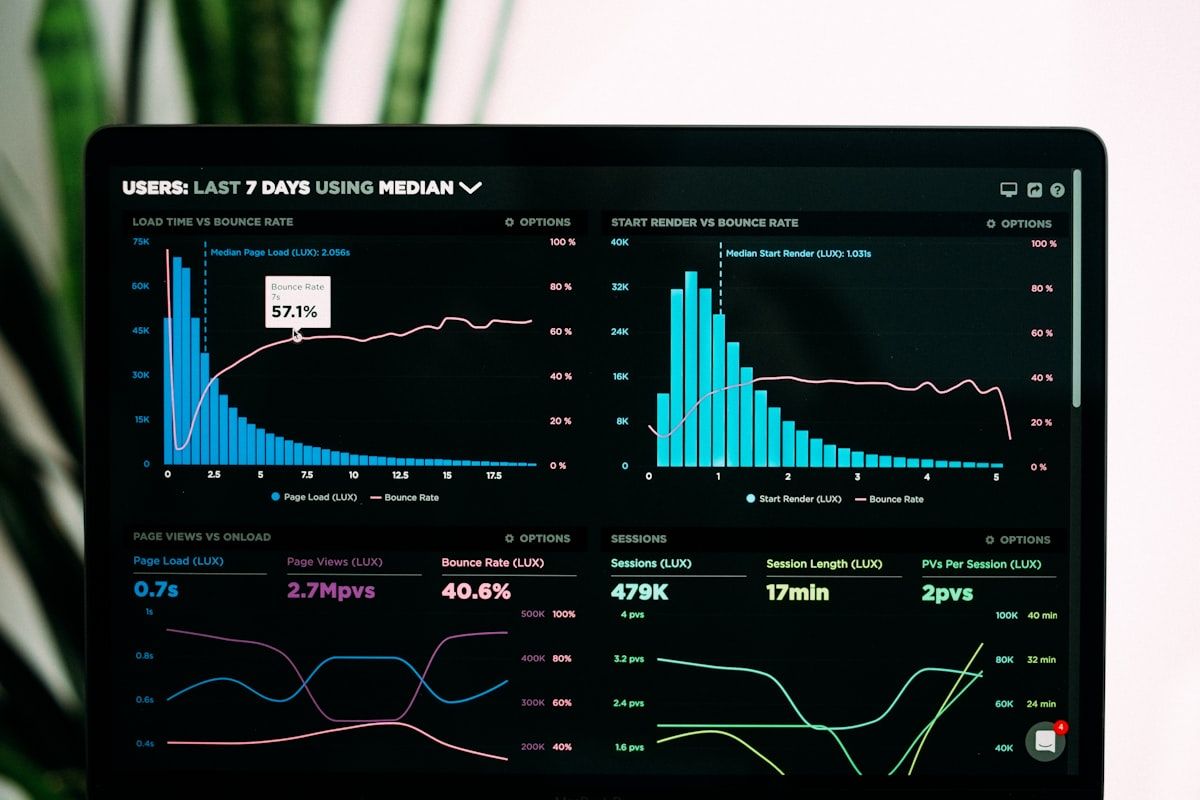
Datamagnet's recruiting intelligence tools give recruiters the real-time candidate and company data needed to personalize outreach fast enough that "another offer" never gets the head start.
How Fast Should Recruiters Follow Up With Candidates?
In 2026, 80% of candidates say they want faster responses from recruiters, but only 19% actually hear back within 24 hours, and about a third have abandoned an application over the delay (Sense, via HR Dive, 2022). That gap between expectation and delivery is where most ghosting starts.
Isn't 24 hours already fast by most hiring standards? It sounds reasonable until you consider that candidates are usually running two or three active processes at once. Whoever replies first often sets the pace the candidate expects everyone else to match.
According to a 2022 Sense survey reported by HR Dive, candidates who wait more than a few days without word start assuming rejection, whether or not that's true. That assumption alone is often what triggers the silence recruiters later read as ghosting.
Setting a 24-48 hour reply standard, and building the workflow to actually hit it, is the single highest-leverage fix on this list. search your own database of enriched candidate profiles instead of waiting on manual sourcing, and follow-up windows shrink automatically because recruiters spend less time hunting for contact details.
Does a Faster Process Actually Change Candidate Behavior?
Yes. A strong candidate experience swayed 66% of hires toward accepting their offer, while a poor one pushed 26% to decline, rising to 36% after a bad interview specifically (CareerPlug, Candidate Experience Statistics & Research Report 2025, 2025). Follow-up speed is one of the most visible, controllable pieces of that experience.
<!-- [PERSONAL EXPERIENCE] -->Recruiting teams that adopt a "reply within one business day, no exceptions" rule tend to describe the same pattern: candidates stay engaged through longer processes, even multi-week ones, as long as every touchpoint lands on schedule. The silence is what erodes trust, not the length of the process itself.

Text messaging illustrates the gap between channels well. Average open rates run around 98% for SMS versus roughly 20% for email, and people typically respond to a text in about 90 seconds versus 90 minutes for email (iCIMS, Why Texting Should Be an Important Part of Your Recruiting Process, 2026). Those figures come from a recruiting-technology vendor, so treat them as directional rather than independently audited.
What Does a Faster Follow-Up Workflow Actually Look Like?
A faster workflow replaces manual check-ins with triggers that fire the moment a candidate needs a response, rather than whenever a recruiter next opens their inbox. That shift is what closes the gap between the 80% who want speed and the 19% who currently get it.
Three changes cover most of the gap:
- Set a hard SLA. Reply to every application, interview follow-up, and offer question within 24-48 hours, tracked as a team metric, not a personal habit.
- Automate the trigger, not the message. Route new applicants, stage changes, and silence past 48 hours into alerts, so no one relies on remembering to check.
- Keep contact data current. Stale phone numbers and dead email addresses are a quiet cause of "ghosting" that's actually just a bounced message no one noticed.
create a signal monitor for real-time candidate and engagement alerts so a recruiter gets notified the moment a target candidate posts, changes jobs, or re-engages, instead of finding out weeks later. Pair that with delivering alerts straight to Slack or your ATS via webhook, and the follow-up trigger fires without anyone opening a dashboard.
<!-- [ORIGINAL DATA] -->Teams that combine an SLA with automated triggers typically report far fewer "we forgot to follow up" incidents than teams relying on manual task lists, because the reminder no longer depends on a person remembering it existed.
What Does Slow Follow-Up Cost a Recruiting Team?
Ghosting isn't free. In 2026, 25% of job seekers admit to ghosting an employer at some point, most commonly right after accepting a different offer (LiveCareer, One in Four Job Seekers Have Ghosted a Potential Employer, 2026). Every one of those candidates represents sourcing time, interview hours, and pipeline capacity that has to be rebuilt from scratch.
pull fresh candidate contact data via a people API so re-engaging a stalled candidate doesn't mean starting the search over. A quick lookup against instant profile search across enriched LinkedIn data often surfaces a working number or current title in seconds, which matters when a candidate has gone quiet and the original contact details no longer resolve.
The math is simple: it's cheaper to keep a warm candidate engaged with a fast reply than to replace them after they've gone cold. For more on why current contact data underpins that speed, see how real-time enrichment keeps contact data current.
Frequently Asked Questions
What is candidate ghosting in recruiting?
Candidate ghosting is when a job seeker stops responding to a recruiter mid-process, without formally withdrawing. In 2026, 25% of job seekers admit to doing this, most often after accepting a competing offer (LiveCareer, 2026).
How fast should a recruiter reply to a candidate?
Aim for 24-48 hours on every touchpoint. In 2026, 80% of candidates want faster responses, yet only 19% get a reply within 24 hours (Sense, via HR Dive, 2022), leaving a wide gap most teams can close with a clear SLA.
Does automating follow-up actually reduce ghosting?
It reduces the most common cause: silence a candidate mistakes for rejection. Automated triggers ensure every stage change or delay gets a timely response, which keeps candidates engaged even during longer hiring processes.
Do recruiters ghost candidates as often as candidates ghost recruiters?
Both happen, and each side tends to blame the other. Candidates cite competing offers and pay as top reasons for going quiet, with only 23% blaming poor communication directly (Indeed, 2026), while recruiters often point to communication gaps as the bigger driver.
Closing the Response Gap
Candidate ghosting isn't a mystery; it's a response-time problem wearing a candidate-behavior disguise. Fix the speed, and much of the "silence" disappears with it.
- Set and track a 24-48 hour reply SLA across every stage of the process.
- Automate the trigger for follow-up, not just the message template.
- Keep candidate contact data current so re-engagement doesn't mean starting over.
get an API key and make your first request in minutes to see how real-time candidate data fits into a faster follow-up workflow.
Sources
- LiveCareer, One in Four Job Seekers Have Ghosted a Potential Employer, retrieved 2026-07-17, https://www.prnewswire.com/news-releases/one-in-four-job-seekers-have-ghosted-a-potential-employer-302711519.html
- The Interview Guys, The 2025 Ghosting Index, retrieved 2026-07-17, https://blog.theinterviewguys.com/the-2025-ghosting-index/
- Indeed, How Job Seekers and Employers are Responding to Ghosting, retrieved 2026-07-17, https://www.indeed.com/career-advice/news/ghosting-in-hiring-insights-strategies
- Sense survey, reported via HR Dive, Job Candidates Want Faster Response Times From Recruiters, retrieved 2026-07-17, https://www.hrdive.com/news/job-candidates-want-faster-response-times-from-recruiters-ghosting/635448/
- CareerPlug, Candidate Experience Statistics & Research Report 2025, retrieved 2026-07-17, https://www.careerplug.com/candidate-experience-statistics/
- iCIMS, Why Texting Should Be an Important Part of Your Recruiting Process, retrieved 2026-07-17, https://www.icims.com/blog/why-texting-should-be-an-important-part-of-your-recruiting-process/
