
Disclosure: This article is published by Datamagnet. Vendor claims are self-reported unless otherwise noted.
Proxycurl API Migration Guide: Endpoint Mapping
The Proxycurl API is gone. Its founder announced the shutdown on July 4, 2025, after LinkedIn sued the company in January 2025 (Nubela, Goodbye Proxycurl, July 4, 2025, retrieved 2026-10-28). If your enrichment jobs still call it, they're failing or about to. This guide maps each Proxycurl endpoint to a live replacement, flags what has no equivalent, and gives you a cutover plan.
Key Takeaways
- Nubela announced Proxycurl's shutdown on July 4, 2025 (Nubela, "Goodbye Proxycurl", 2025, retrieved 2026-10-28); the old API isn't coming back.
- Profile, company, search and credit-balance endpoints map closely to Datamagnet's live API.
- Email, phone, job-listing and school endpoints have no Datamagnet equivalent. Plan separate sources for them.
- For profile and company calls, expect a new base URL, a bearer token and renamed response fields.
Why Did Proxycurl Shut Down, and What Does It Mean for Your Code?
In July 2025, Proxycurl's founder wrote that the company was closing after LinkedIn's lawsuit, and that the shutdown was needed to comply with a legal settlement (Nubela, Goodbye Proxycurl, July 4, 2025, retrieved 2026-10-28). LinkedIn said on July 28, 2025 that it had resolved its suit against Proxycurl (LinkedIn Newsroom, July 2025, retrieved 2026-10-28).
In April 2026, the founder added that the old Proxycurl docs are historical only, and that the team's new product, NinjaPear, doesn't scrape LinkedIn (Nubela, April 29, 2026, retrieved 2026-10-28). So there's no restoring service. Any code calling the old endpoints needs a new home.
Here's the practical consequence. Your pipelines don't just need a new URL. They need a vendor that will still exist next year. That's a reason to favor documented endpoints and credit-based billing you can monitor.
A migration can look like a rename job. In our view, it's really a coverage audit. Before you touch any code, list every Proxycurl endpoint you actually call. In many pipelines, profile and company calls are the bulk of traffic, and the awkward cases are the few lookups nobody remembered.
Is Scraping LinkedIn Yourself a Safe Fallback?
LinkedIn's User Agreement, effective November 3, 2025, prohibits using software, scripts, robots or other means to scrape or copy profiles and other data from its services (LinkedIn User Agreement, section 8.2, 2025, retrieved 2026-10-28). Its help center adds that members who use scraping tools "risk having their accounts restricted or shut down" (LinkedIn Help, Prohibited software and extensions, 2026, retrieved 2026-10-28).
That's the account-ban risk, stated plainly: a personal account tied to automation can be restricted. This guide doesn't cover logging in with accounts, rotating accounts or working around blocks. Building that yourself is also a maintenance burden your team doesn't want.
Datamagnet works from public profile data and publishes its data practices on its security and data practices page. This isn't legal advice. Have counsel review how your own use case fits LinkedIn's terms.
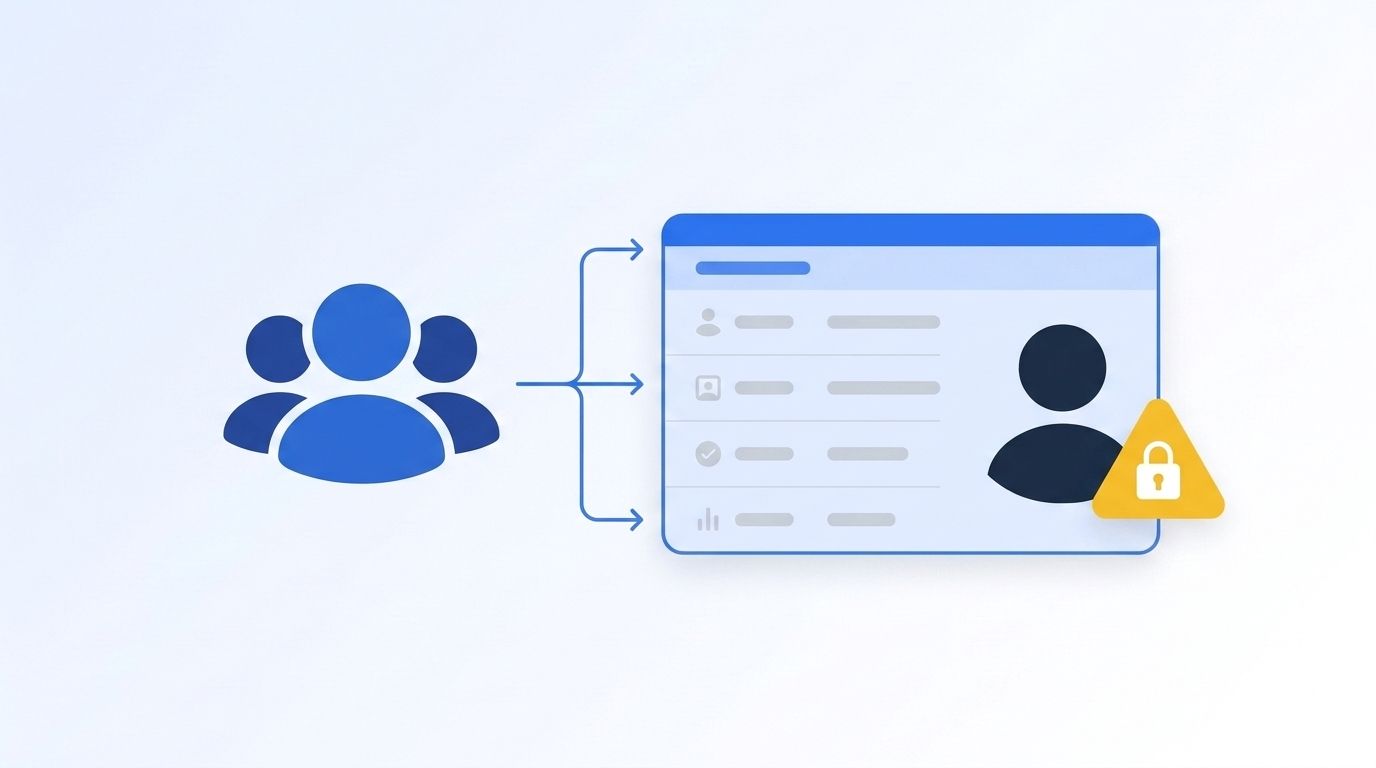
How Does Each Proxycurl Endpoint Map to a Live Replacement?
Proxycurl's endpoint families, as listed on Datamagnet's comparison page, covered profiles, companies, lookups, employee listings, jobs, contact data and credit balance (Datamagnet, Proxycurl Alternative, 2026, retrieved 2026-10-28). Datamagnet covers the profile, company, search and credit endpoints. It doesn't cover contact, job-listing, school or IP-reveal endpoints.
We're matching on endpoint name, not on Proxycurl's old URL paths. Check your own code for exact paths and parameters.
| Proxycurl endpoint | Datamagnet equivalent | Notes |
|---|---|---|
| Person Profile | People Profile (POST /person) | 1 credit per profile. Fetched live with use_cache: "never". |
| Company Profile | Company Profile (POST /company) | Funding and insight add-ons cost extra credits. |
| Employee Count | employee_count field on Company Profile | No separate call needed. |
| Person Lookup (by name and company) | People Search | Use first_name, last_name, company_free_text. 10 credits per page. |
| Role Lookup | ICP People Search | Filter by title and company. 10 credits per page. |
| Employee Listing | ICP People Search or People Search DB | Filter by company LinkedIn URL. |
| Credit Balance | Credit Balance | Costs nothing to call. |
| Personal / work email, phone, reverse email lookup | None | Datamagnet doesn't do email or phone lookup. |
| Job Listing, Job Listing Count | None | No job-listings endpoint. |
| School Profile, Student Listing | None | Not offered. |
| Reveal (IP to company) | None | Not offered. |
Count the rows. In this mapping, 7 of 11 Proxycurl endpoint groups have a direct or near-direct equivalent, and 4 don't. If your workflow leans on the unmatched four, you'll need a second vendor no matter whom you choose.
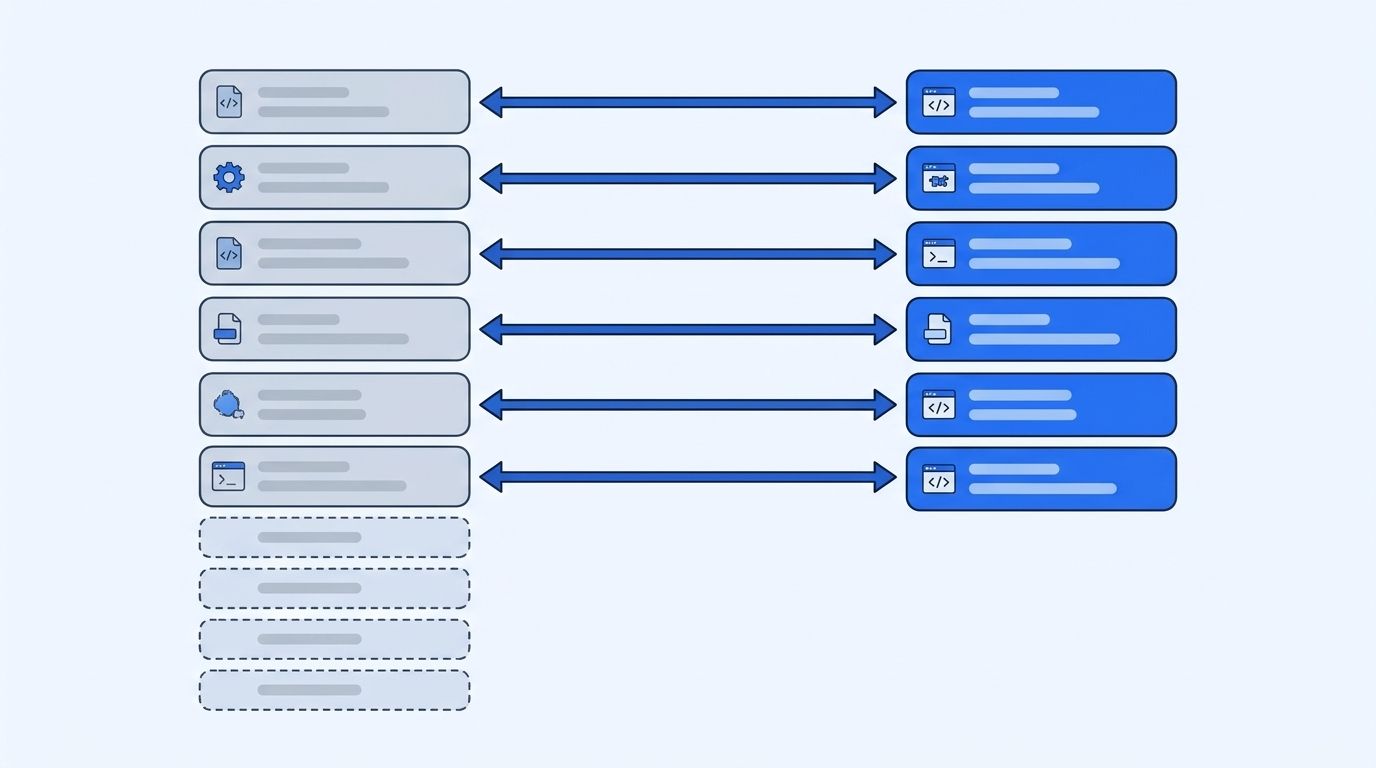
What Does the Request Change Look Like?
Datamagnet's base URL is https://api.datamagnet.co/api/v1, and every call sends an Authorization: Bearer token (Datamagnet Quickstart, 2026, retrieved 2026-10-28). Send the LinkedIn profile URL in a JSON url field. Token creation is covered in the authentication docs.
curl --request POST 'https://api.datamagnet.co/api/v1/person' \
  --header 'Authorization: Bearer {token}' \
  --header 'Content-Type: application/json' \
  --data '{"url": "https://linkedin.com/in/pratik-dani"}'
import requests

token = "{your_token}"
url = "https://api.datamagnet.co/api/v1/person"
payload = {"url": "https://linkedin.com/in/pratik-dani"}
headers = {"Authorization": f"Bearer {token}", "Content-Type": "application/json"}

response = requests.post(url, headers=headers, json=payload)
print(response.json())
The response wraps the profile in a message object and reports credit_used. Field names differ from Proxycurl's, so write a thin mapping layer. Datamagnet returns full_name, profile_headline, job_title, current_company_name, experience, education and skills. Note it's profile_headline, not headline.
The use_cache parameter matters for freshness. It accepts if-present (default), if-recent (profiles no older than 29 days, best effort) or never. Pick never when you need the profile as it is right now. The full parameter list lives in the People Profile reference, and the product overview is on the People API page.
Why Does Live Data Matter More After a Migration?
BLS reported that the 2025 annual average quits rate was 2.0%, with 38.0 million quits over the year (BLS, JOLTS release, March 2026, retrieved 2026-10-28). That covers all U.S. employment, not only B2B contacts, so treat it as a proxy. Still, millions of people change roles every year, and a cached record goes stale.
For contact data specifically, ZeroBounce reported in its 2025 data that at least 23% of an email list decays within a year (ZeroBounce, Email List Decay Report, 2025, retrieved 2026-10-28). That's a vendor figure with no stated methodology, so use it as a rough guide only. We couldn't find a verified, independent figure for B2B contact decay, and we'd rather say so than invent one.
The takeaway: a request-time API reads the profile when you ask, so you aren't trusting a snapshot. A migration is also a good moment to add job-change monitoring through the Signal API instead of re-enriching your whole CRM on a schedule.
How Much Will the Replacement Cost?
Datamagnet charges 1 credit per profile and 10 credits per search or engagement page, and new accounts get 10 free credits (Datamagnet Pricing, 2026, retrieved 2026-10-28). Plans run $39, $99 and $199 per month, and pay-as-you-go credits start at $0.02 each. Confirm current rates on the pricing page before you budget.
Because you pay per successful call, you can model cost from your own logs. Count last month's Proxycurl calls by endpoint, multiply profile and company calls by 1 credit and search pages by 10, and you have a first estimate. Add credits for any optional enrichment flags you turn on.
Run it through the 10 free credits first. That covers a handful of test profiles, enough to compare field coverage on people you know.
How Do You Migrate in Four Steps?
How long the cutover takes depends mostly on how many endpoints you call, and in our estimate an up-front inventory is what keeps it short. The old API is already dead, so there's no parallel run to protect. Your real risk is silent gaps in downstream fields.
- Inventory your calls. Grep your code and logs for every Proxycurl endpoint. Note volume, fields consumed and which ones are unmatched in the table above.
- Get a token and test. Sign up, copy your API key, and call
/personwith five known profiles. The Quickstart walks through it. - Write the field mapping. Map
profile_headline,experienceand other fields to your schema. Handle failures using the error reference. - Cut over and monitor credits. Poll the credit balance endpoint and alert on low balances.
If you already moved to another Proxycurl successor and want to compare, see our EnrichLayer comparison or the ScrapIn comparison.
Frequently Asked Questions
Is the Proxycurl API still working?
No. Nubela announced the shutdown on July 4, 2025, and in April 2026 its founder said the old docs are historical only (Nubela, April 2026, retrieved 2026-10-28). Treat calls to the old endpoints as failed, and plan for a replacement provider.
What is the closest replacement for the Proxycurl API?
For profile, company, search and credit-balance calls, Datamagnet maps closely: you send a LinkedIn URL and get structured JSON (fetched live with use_cache "never"), at 1 credit per profile. It doesn't cover email, phone, job-listing or school endpoints, so those need another source.
Does Datamagnet offer email or phone lookup like Proxycurl did?
No. Datamagnet has no email or phone lookup and no job-listings endpoint. If your workflow needs verified contact details, pair a live profile API with a dedicated contact provider. Keep that provider separate so you can swap either one independently.
How much does Datamagnet cost?
Datamagnet charges 1 credit per profile and 10 per search page, with 10 free credits to start. Plans cost $39, $99 and $199 a month, and pay-as-you-go starts at $0.02 per credit (Datamagnet Pricing, 2026, retrieved 2026-10-28). Proxycurl's old pricing isn't comparable now that it's closed.
Sources
- Nubela, "Goodbye Proxycurl," retrieved 2026-10-28, https://nubela.co/blog/goodbye-proxycurl/
- Nubela, founder post on Proxycurl in 2026, retrieved 2026-10-28, https://nubela.co/blog/what-is-proxycurl-api-now-in-2026-im-the-founder/
- LinkedIn Newsroom, "LinkedIn Wins Legal Battle to Protect Member Data," retrieved 2026-10-28, https://news.linkedin.com/2025/LinkedInWinsLegalBattleToProtectMemberData
- LinkedIn, User Agreement, retrieved 2026-10-28, https://www.linkedin.com/legal/user-agreement
- LinkedIn Help, "Prohibited software and extensions," retrieved 2026-10-28, https://www.linkedin.com/help/linkedin/answer/a1341387
- BLS, Job Openings and Labor Turnover Survey release, retrieved 2026-10-28, https://www.bls.gov/news.release/pdf/jolts.pdf
- ZeroBounce, The Email List Decay Report, retrieved 2026-10-28, https://www.zerobounce.net/email-list-decay
