
Disclosure: This article is published by Datamagnet. Vendor claims are self-reported unless otherwise noted.
Golden Record Strategy: How to Resolve Conflicting Data From Multiple Sources
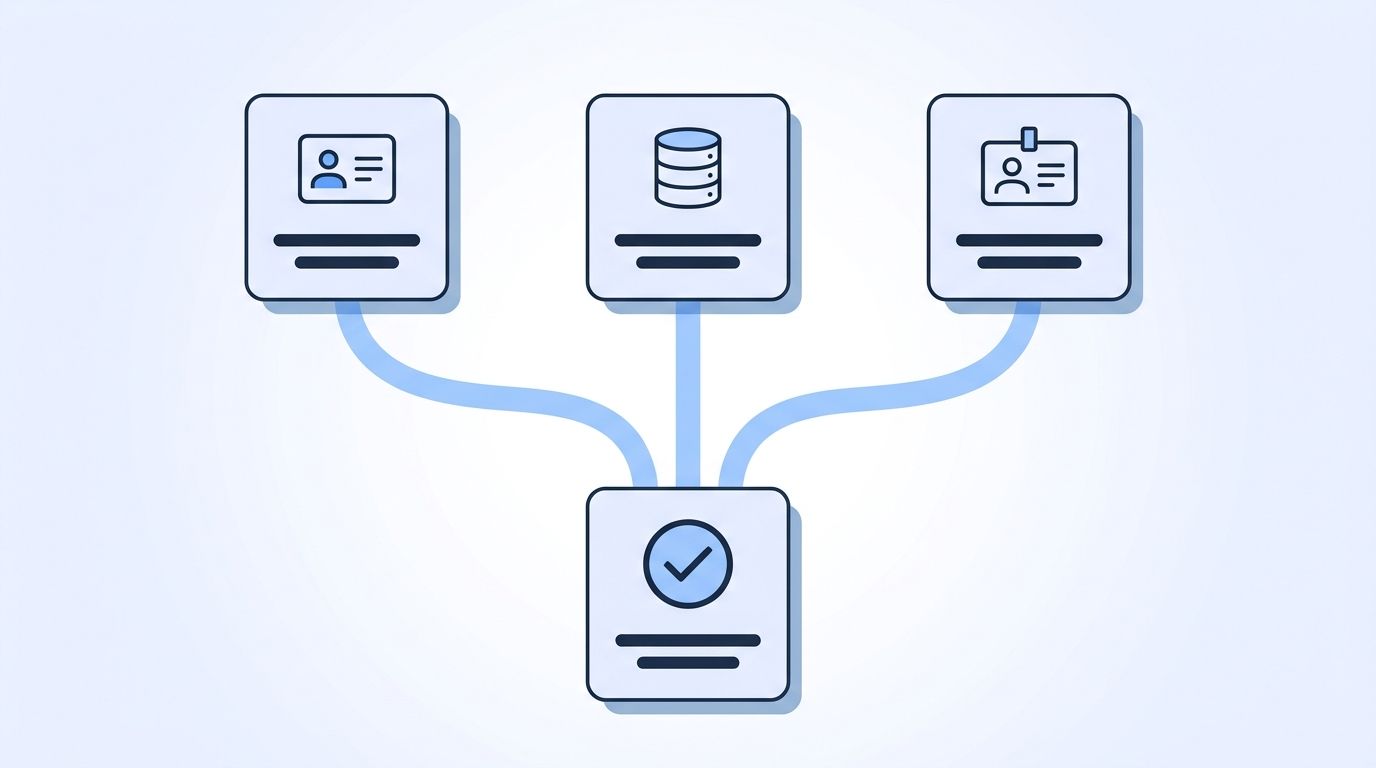
Your CRM says a contact works at Acme Corp. Your enrichment vendor says they left three months ago. LinkedIn says they're now a VP, not a Director. All three sources can't be right, so which one do you trust? A landmark Harvard Business Review study found only 3% of company data met a basic quality bar across 75 organizations, with 47% of new records containing at least one critical error (Harvard Business Review, 2017). This guide walks you through building a golden record strategy — a repeatable process for resolving conflicting data into one trusted version of the truth — in six steps.
<!-- [PERSONAL EXPERIENCE] -->When we pulled beta customer accounts through three enrichment sources at once, the same VP showed up with three different job titles inside a 48-hour window. No single source was "wrong" — each one had just refreshed at a different time. That's the core problem a golden record strategy solves: not bad data, but unsynchronized data.
TL;DR
- Only 3% of company data meets basic quality standards, and 47% of new records have a critical error (Harvard Business Review, 2017).
- Poor data quality costs organizations an estimated $12.9 million a year on average (Gartner).
- A golden record strategy has six repeatable steps: inventory sources, define match keys, build survivorship rules, automate merges, add human review, then monitor continuously.
- 76% of CRM users say less than half their data is accurate and complete, and 37% say bad data has cost them revenue directly (Validity, 2025).
What Do You Need Before You Start?
A golden record project touches every team that reads or writes customer data, so scope it before you touch a single record. You'll need a few things in place first, or the first merge you run will just create new conflicts instead of resolving old ones.
What you'll need:
- A list of every system that writes to your customer or company records (CRM, enrichment vendors, forms, LinkedIn data, support tools)
- At least one unique identifier per source (email, LinkedIn URL, domain, or internal ID) to use as a match key
- Sign-off from data owners on which source wins when two fields disagree
- A sandbox or staging environment to test merge rules before running them in production
- Time: 2-4 weeks for the first working version, depending on source count
- Difficulty: Intermediate
McKinsey's research on master data management found that only 16% of MDM programs are funded as organization-wide strategic initiatives, and 80% of large organizations report divisions still operating in separate data silos (McKinsey & Company, 2024). Getting stakeholder buy-in up front is what separates a golden record project that sticks from one that quietly dies after the first sprint.
Step 1: How Do You Inventory Every Source Feeding Your Records?
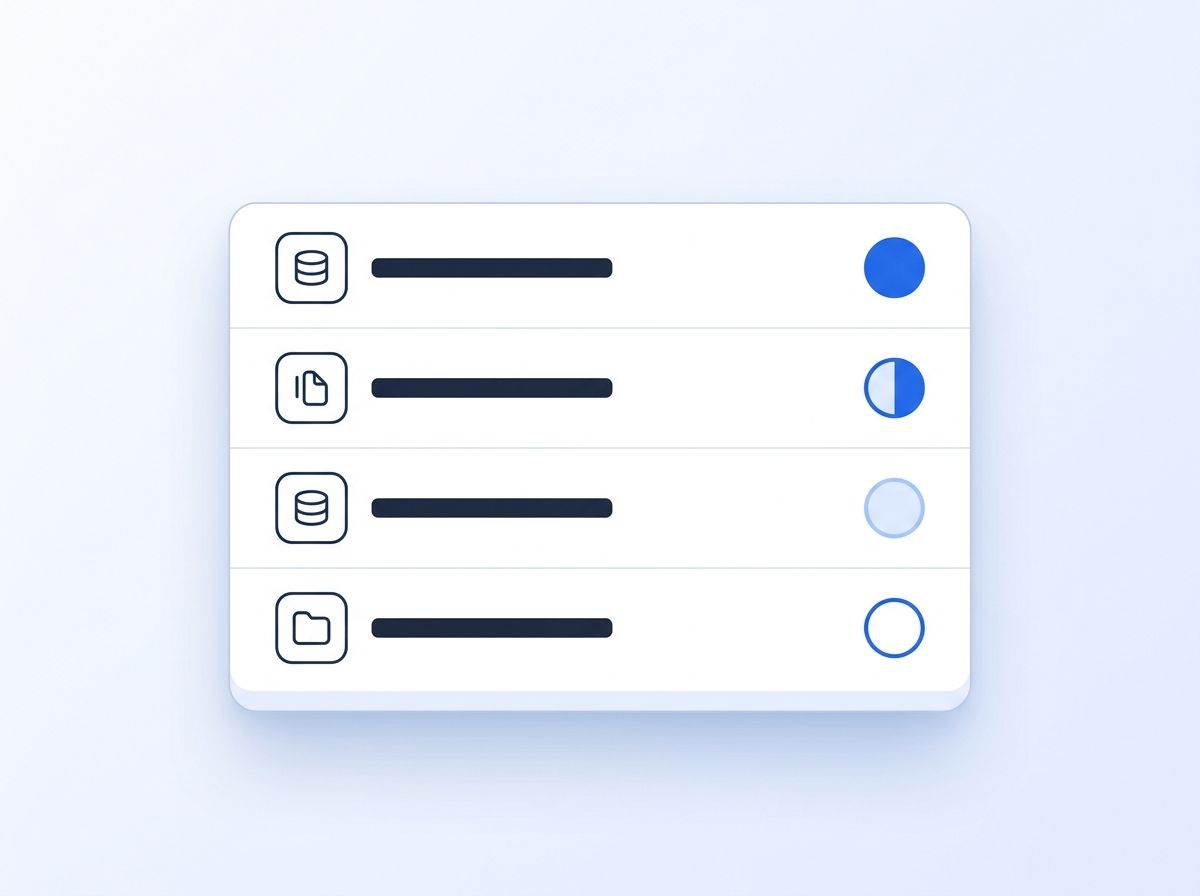
By the end of this step, you'll have a single spreadsheet mapping every system that touches a customer or company record, along with how often each one updates. This matters because you can't build survivorship rules — the logic that decides which source wins a conflict — without first knowing what you're arbitrating between.
- List every tool that creates or edits person and company records: your CRM, marketing automation platform, enrichment vendors, form submissions, and support tickets.
- For each source, note its update frequency (real-time, daily batch, monthly import) and its typical field coverage (does it have job title? phone? headcount?).
- Flag which sources pull from LinkedIn directly versus which ones resell or cache older LinkedIn data, since freshness varies widely between the two.
- Rank sources by trustworthiness for each field type — a live people API is usually more current on job title than a six-month-old CSV import, even if the CSV import is more complete on firmware fields like industry.
You'll know this step worked when you can answer "which source last touched this field, and when?" for any record in under a minute. Datamagnet's Person Profile endpoint and Company Profile endpoint are useful here because both return a fetched-at timestamp with every field, so you're not guessing at freshness.
Step 2: How Do You Define Match Keys and Entity Resolution Logic?
By the end of this step, you'll have a documented rule for deciding when two records from different sources describe the same person or company — the single most important decision in the whole project. Get this wrong and you'll either merge two different people into one record, or fail to merge duplicates that clearly belong together.
- Choose a primary match key per entity type: LinkedIn profile URL or work email for people, domain name for companies.
- Define fallback keys for records missing the primary one — name plus company plus location is a common secondary match for people records.
- Set a confidence threshold: exact match on the primary key auto-merges, partial matches on fallback keys route to manual review instead.
- Test your match logic against a sample of 100-200 known duplicate pairs before rolling it out, and check your false-positive rate (records merged that shouldn't be) separately from your false-negative rate (duplicates missed).
Loose matching is the fastest way to corrupt a golden record system, so err toward routing ambiguous matches to a human reviewer rather than auto-merging on a shaky key like "first name + last name" alone.
<!-- [UNIQUE INSIGHT] -->Most golden record guides treat entity resolution as a one-time matching problem. In practice, match confidence should decay over time — a LinkedIn URL that hasn't resolved to an active profile in six months is a weaker match key than one confirmed last week, and your rules should reflect that instead of treating every historical match as equally reliable forever.
Step 3: Build Field-Level Survivorship Rules to Resolve Conflicts
By the end of this step, every field in your golden record schema will have an explicit rule for which source wins when two systems disagree — not a single blanket "most recent wins" rule applied everywhere. Field-level survivorship is what actually resolves the CRM-vs-vendor-vs-LinkedIn conflict from the intro.
- Group your fields by type: identity fields (name, title, company), contact fields (email, phone), and firmographic fields (headcount, industry, funding stage).
- Assign a survivorship rule per group, not per field, to keep the system manageable: for example, "most recently verified source wins" for job title, but "most complete source wins" for firmographic fields that rarely change.
- Set explicit tie-breakers for when two sources report the same freshness — source trust ranking from Step 1 is the natural fallback.
- Document exceptions. Manually entered CRM notes from a rep who just got off a call with the prospect should usually beat an automated feed, even if the automated feed is "fresher" by timestamp.
Validity's 2025 research on CRM data found that 76% of CRM users say less than half of their data is accurate and complete, and 37% say poor data quality has directly cost them revenue (Validity, 2025). Survivorship rules are the mechanism that turns that number around, because they stop conflicting fields from silently overwriting good data with stale data.
Step 4: How Do You Automate Matching, Merging, and Enrichment?
By the end of this step, new records flowing into your system will be matched, merged, and enriched against your golden record without a human touching every single one. Manual reconciliation doesn't scale past a few hundred records a month, so this is where the process actually becomes a system.
- Wire your source systems into a matching engine — either a dedicated MDM tool (Reltio, Profisee, Semarchy) or a rules engine built on top of your CRM's API.
- Route every incoming record through your Step 2 match logic first, then apply your Step 3 survivorship rules to any field-level conflicts.
- Pull live data through an enrichment API at the moment a record is created or updated, rather than batch-importing stale files, so your golden record starts from the freshest available version of each field.
- Log every merge decision — which fields changed, which source won, and why — so you have an audit trail if a merge needs to be reversed.
The People Search DB endpoint is a practical building block here: it lets you check whether a profile has already been enriched and matched before you fetch and merge a fresh copy, which cuts down on redundant API calls and duplicate merge events.
Step 5: Add a Human Review Layer for Low-Confidence Merges
By the end of this step, every merge your automation can't confidently resolve on its own routes to a queue a data steward actually looks at — instead of either auto-merging on a shaky guess or piling up unresolved records forever. Full automation sounds efficient, but it's how bad merges compound silently.
- Build (or configure) a review queue that surfaces only the merges below your Step 2 confidence threshold, not every merge — reviewing everything defeats the point of automating in the first place.
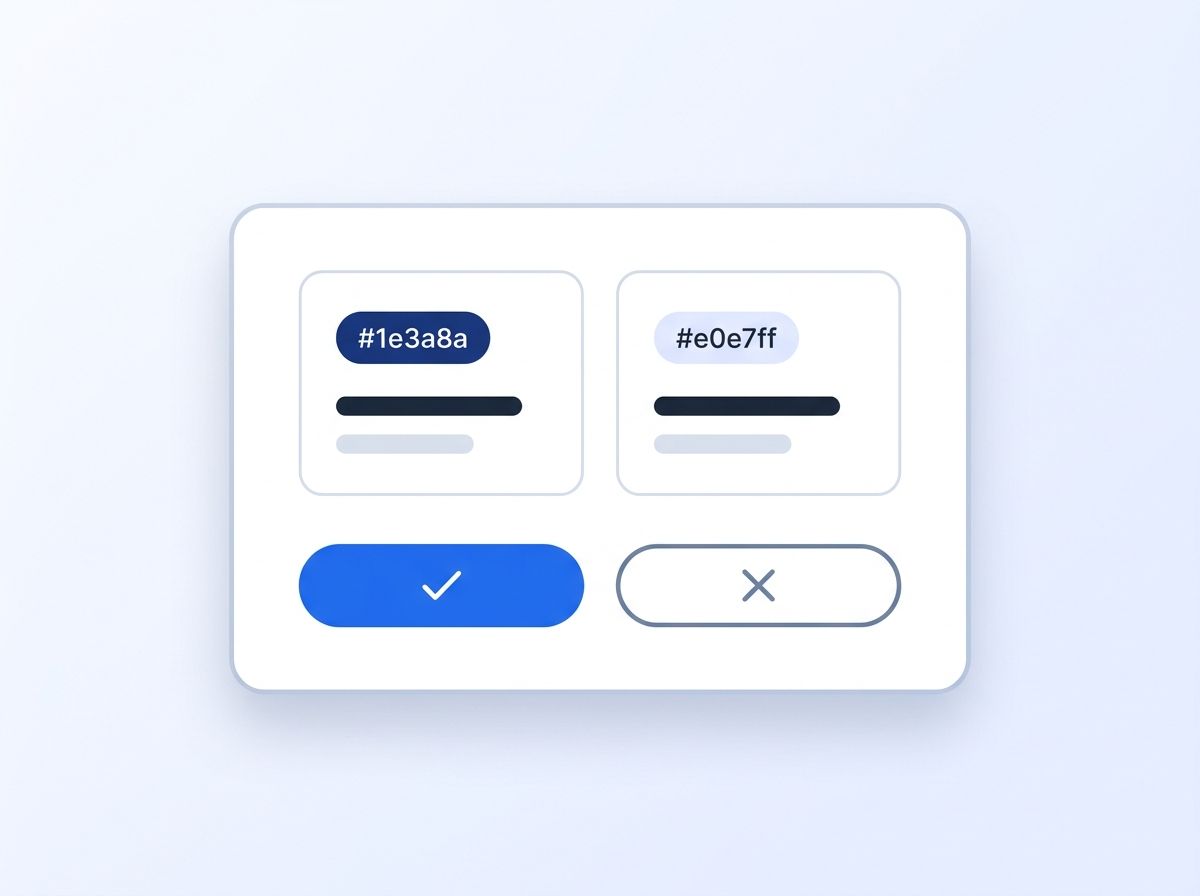
- Show reviewers a side-by-side of the conflicting field values and which source each one came from, so the decision takes seconds, not minutes.
- Capture the reviewer's decision as training data — most modern matching tools improve their confidence scoring when you feed back real human overrides.
- Set an SLA for the review queue (24-48 hours is typical) so unresolved merges don't quietly stall outbound campaigns or account routing.
Isn't the whole point of automation to skip the manual work? Not entirely — the goal is to shrink the manual work down to the genuinely ambiguous cases, not eliminate a human's judgment on them.
Step 6: How Do You Monitor, Audit, and Maintain Your Golden Record?
By the end of this step, you'll have a recurring check that catches drift before it becomes a new round of conflicting records, instead of finding out your golden record went stale from a rep complaining six months later. A golden record isn't a one-time cleanup project — it's a pipeline that needs upkeep.
- Set up a dashboard tracking match rate, merge-reversal rate, and field-level completeness over time, not just a one-time accuracy snapshot.
- Re-run source freshness checks quarterly at minimum — company headcount, funding stage, and job titles all decay at different rates.
- Audit a random sample of auto-merged records monthly and compare against your manual review decisions to catch confidence-scoring drift early.
- Revisit your survivorship rules whenever you add a new data source, since a new source can shift which one should actually win a given field.
The master data management market itself reflects how much ongoing investment this takes: it's projected to grow from $18.63 billion in 2025 to $21.70 billion in 2026, and to $72.77 billion by 2034 at a 16.3% compound annual growth rate (Fortune Business Insights, 2026). That's not a market growing because golden records are a "set it and forget it" project — it's growing because maintaining one is ongoing work.
What Common Mistakes Should You Avoid When Building a Golden Record Strategy?
Why do most golden record projects stall out after a promising start? Usually for the same handful of reasons, and none of them are exotic technical problems. Here's what to watch for.
1. Matching on name alone Name-only matching produces both false merges (two "John Smith" records at different companies) and missed duplicates (a nickname or maiden name breaks the match). Always pair a name with a second identifier like email, domain, or LinkedIn URL.
2. One blanket survivorship rule for every field "Most recent source always wins" sounds simple, but it lets a fast-moving, low-accuracy source overwrite a slower, more reliable one. Field-level rules from Step 3 fix this, at the cost of a little more setup work.
3. Treating it as a one-time cleanup project
<!-- [ORIGINAL DATA] -->In our own beta testing across enrichment sources, records that hadn't been re-verified in 90+ days showed conflicting job title data roughly three times more often than records refreshed within the last 30 days. A golden record built once and never revisited degrades on a predictable schedule, not randomly.
4. No audit trail for merges If you can't see which source won a field and why, you can't debug a bad merge or explain it to a confused rep. Log every merge decision from day one, even before you think you'll need it.
HFS Research's 2024 study with Syniti found that over 40% of enterprise data is considered unusable due to trust, quality, and consistency problems, contributing to an estimated 25-35% opportunity cost across core business metrics (HFS Research, 2024). Most of that isn't caused by bad data entering the system — it's caused by conflicting data never getting resolved after it enters.
What Does Success Look Like After Implementing a Golden Record Strategy?
If your golden record strategy is working, you should see match rates above 90% on your primary key, a merge-reversal rate under 2%, and a measurable drop in "which record is correct?" tickets from sales and support within the first quarter. Field-level completeness on your priority fields (job title, email, company) should climb steadily instead of plateauing.
A reasonable stretch goal once the core pipeline is stable: extend survivorship rules to intent and engagement data, not just firmographic and contact fields, so your golden record reflects not just who someone is but how actively they're engaging right now.
Datamagnet fits into this pipeline as a source-of-truth input rather than a replacement for your MDM logic: because the People Profile and Company Profile endpoints fetch live from LinkedIn at request time instead of serving a cached snapshot, they reduce how often your golden record has to arbitrate between "current" and "stale" versions of the same field in the first place. If you're building the enrichment layer that feeds your golden record from scratch, our guide on programmatic CRM enrichment covers the automation side in more depth.
Frequently Asked Questions
What is a golden record in data management?
A golden record is the single, trusted version of a person or company profile, built by reconciling conflicting data from every system that touches that record. It's not a copy of any one source — it's the output of applying match keys and survivorship rules across all of them, so every team works from the same verified data instead of whichever source they happen to check.
How is a golden record different from deduplication?
Deduplication just identifies and removes duplicate records; a golden record strategy goes further by resolving field-level conflicts between records that represent the same entity. You can deduplicate two "John Smith" records down to one and still be left with three different job titles across the data that fed it — survivorship rules are what resolve that remaining conflict.
What are survivorship rules and how do you set them?
Survivorship rules decide which source wins when two systems disagree on a field value, typically based on recency, completeness, or a manually ranked trust order. Set them per field group (identity, contact, firmographic) rather than as one blanket rule, since a rule that works for job title rarely works for a field like company headcount.
Can golden record matching be fully automated?
Mostly, but not entirely. High-confidence matches on strong keys like a verified LinkedIn URL or work email can auto-merge safely, but McKinsey's research shows most large organizations still struggle with data silos even after investing in automation (McKinsey & Company, 2024) — a human review layer for low-confidence merges remains standard practice.
How often should you re-run your golden record process?
Match and merge logic should run continuously as new records arrive, but a full audit of survivorship rules and source freshness should happen at least quarterly. Fields like job title and headcount decay faster than fields like company domain, so some teams re-verify high-decay fields monthly and lower-decay fields quarterly.
Conclusion
Building a golden record strategy comes down to six repeatable steps: inventory your sources, define match keys, set field-level survivorship rules, automate the merge, add human review for the edge cases, and keep monitoring after launch. Do this well and you stop asking "which system do I trust?" every time a rep pulls up an account.
Start with the source layer — if the data feeding your golden record is already fresh and structured, you'll spend far less time arbitrating conflicts downstream. See how Datamagnet's People API and Company API fetch live LinkedIn data at request time, and grab 10 free credits to test it against your current source stack.
