
Disclosure: This article is published by Datamagnet. Vendor claims are self-reported unless otherwise noted.
9 Best Buyer Intent Data Providers for Enterprise Sales in 2026
Enterprise buyers don't wait for a sales call anymore. In 2026, 80% of B2B sales interactions happen through digital channels before a rep ever gets involved (Gartner, 2023 forecast for 2025). Buyer intent data is how enterprise sales teams find those buyers before a competitor does — this guide compares the 9 best providers on signal type, pricing, and job-change coverage.
TL;DR
- Enterprise teams spend a median of $312,000/year on intent data, nearly 4x the $84,000 mid-market median (The Starr Conspiracy, 2025).
- 87% of organizations say their intent signals are unreliable or inflated, and only 26% convert into qualified opportunities (DemandScience, Dec 2025).
- ZoomInfo, 6sense, and Bombora lead on third-party signal breadth; Warmly is the only provider here with a native LinkedIn engagement signal.
- None of the 9 combine LinkedIn post/comment engagement with job-change triggers in one first-party feed — that gap is where engagement-based APIs like Datamagnet's Signal API fit.
What Is Buyer Intent Data and Why Does It Matter in 2026?
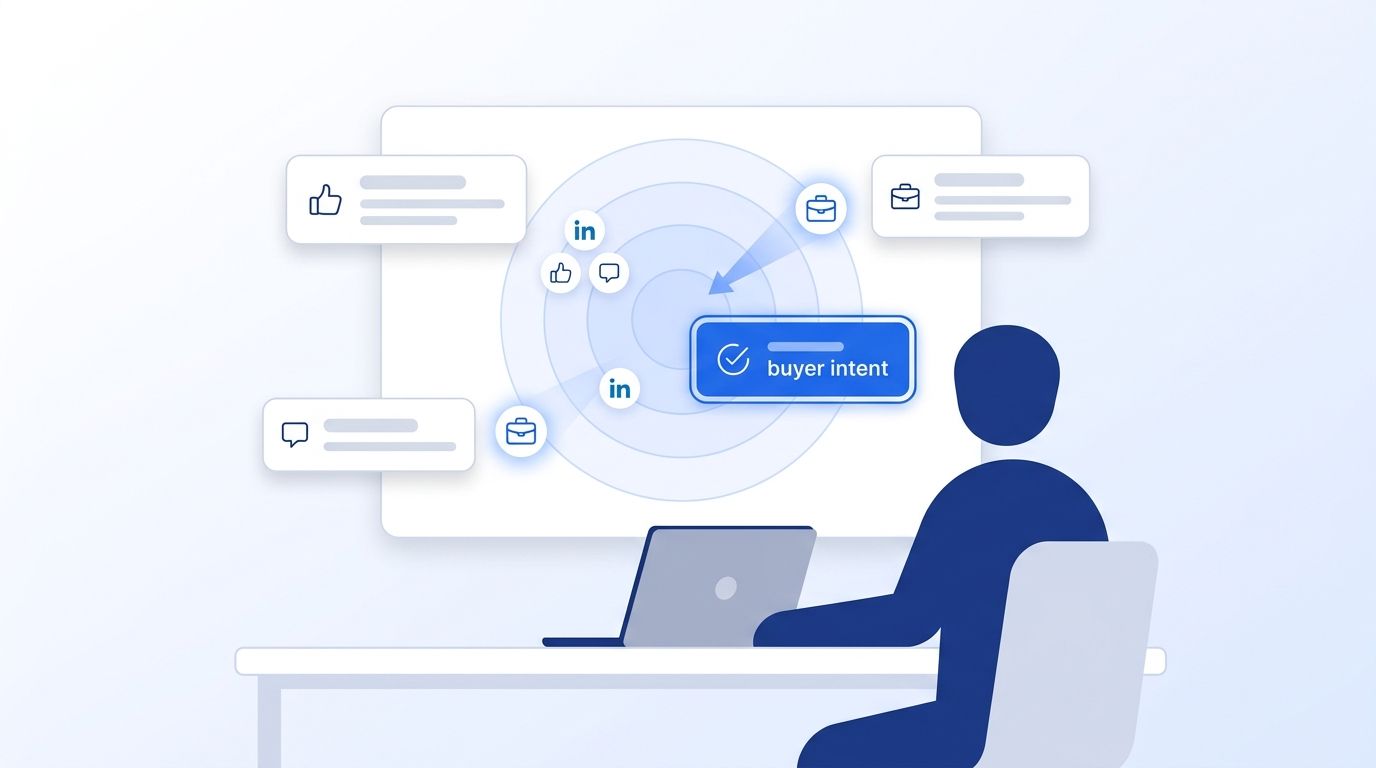
Buyer intent data is behavioral evidence that an account is actively researching a purchase — content downloads, pricing-page visits, or job-change events that create budget authority. As of 2025, more than half of B2B purchases over $1 million now move through digital self-serve channels before sales even joins the deal (Forrester, Oct 2024).
That shift explains why 71% of B2B marketers now use third-party intent data, up from a 55% baseline in 2022 (The Starr Conspiracy, 2025). Isn't it strange, then, that so many teams still can't tell which signals actually predict a deal? A typical enterprise deal now involves 6.8 stakeholders, according to research cited by LinkedIn Sales Solutions — one departure or hire can quietly restart the whole buying committee.
<!-- [UNIQUE INSIGHT] -->Here's the part most buyer-intent comparisons skip: intent data isn't one category. It's at least five different data types — third-party topic surge, first-party website visits, technographic footprint, review-site research activity, and job-change/hiring triggers — and each provider below only covers a subset. Picking "the best" provider means matching the signal type to the play you're actually running, not buying the biggest logo.
How Did We Evaluate These Buyer Intent Data Providers?
We compared each provider's publicly documented signal types, sourcing methodology, G2 and Forrester analyst rankings, and disclosed or third-party-reported pricing as of September 2026. Vendor claims about accuracy or coverage are self-reported unless a named analyst report or review platform independently verified them.
The 9 Best Buyer Intent Data Providers for Enterprise Sales
1. ZoomInfo — Best Overall for Signal Breadth
ZoomInfo holds the #1 spot in G2's Buyer Intent Data Providers category with a G2 Score of 96. In April 2026, it also ranked #1 across 142 G2 Spring reports overall (ZoomInfo/G2 via Businesswire, Apr 2026). It's the broadest stack on this list: third-party topic intent, first-party website visitor ID, technographics, and "Scoops" trigger events that flag job changes for re-engaging former champions.
- Signal types: Third-party intent, first-party visitor ID, technographic, job-change/person-move triggers
- Pricing: Base platform from roughly $15,000/year (third-party estimates); intent as an add-on runs $8,000–$25,000/year on top
- Best for: Teams that want one vendor covering intent, contact data, and job-change alerts together
ZoomInfo's job-change data comes from its own contact-database refresh cycle rather than a live LinkedIn engagement feed, so alerts can lag behind an actual post or profile update. If you're weighing a seat-based ZoomInfo contract against pay-as-you-go alternatives, see how the Datamagnet vs. ZoomInfo comparison breaks down pricing models.
2. 6sense — Best for AI-Predictive Account Scoring
6sense blends bidstream and content-network third-party data with first-party website visitor de-anonymization, then scores accounts with a predictive AI model. Vendr reports a median annual contract of $62,440 across 381 recorded purchases, though full enterprise deployments commonly run $50,000–$300,000+/year.
- Signal types: Third-party bidstream/content intent, first-party visitor ID, predictive AI scoring
- Pricing: Median contract ~$62,440/year (Vendr); packaging overhauled into a single credit-based license in May 2025
- Best for: Enterprise ABM teams that want predictive stage-of-buying-journey scoring, not just raw signal feeds
3. Bombora — Best for Third-Party Co-Op Intent
Bombora runs the largest third-party content-consumption "Data Co-op" in the category — thousands of publisher sites voluntarily share anonymized topic activity, which Bombora compares against a 12-week baseline to flag accounts that are "surging" on a topic. It's the intent layer resold inside several other platforms on this list, including Cognism.
- Signal types: Third-party topic-surge intent only (no first-party site tracking, no LinkedIn or job-change signals)
- Pricing: Quote-based; third-party estimates range from ~$25,000/year to $300,000+ for broad topic coverage
- Best for: Teams that already have a first-party engagement layer and want to add topic-level third-party context
4. Demandbase — Best for Enterprise ABM Orchestration
Demandbase unifies intent, advertising, and CRM signals inside Demandbase One, and it carries one of the largest review bases in the category at 1,934 G2 reviews. Vendr puts the median annual contract at $68,591, with entry-tier access reportedly available from around $25,000.
- Signal types: Third-party + first-party intent, unified with ad-network engagement and CRM data
- Pricing: Median contract ~$68,591/year (Vendr); full ABM+advertising deployments often reach $100,000–$200,000+
- Best for: Enterprise teams that want intent data feeding directly into paid ABM campaigns, not just a sales alert
5. G2 Buyer Intent — Best for In-Market Purchase Signals
G2's intent product is pure first-party behavior captured on G2.com itself — pricing-page views, competitor comparisons, and review reads from over 90 million annual buyers. Because it isn't cookie-dependent, G2 markets it as immune to third-party tracking deprecation, and in 2026 the company leaned into a new narrative: AI chatbots increasingly cite G2 review data when recommending vendors (G2, "The Answer Economy" report, Apr 2026).
- Signal types: First-party review-site behavior only (no LinkedIn, no job-change, no third-party cookies)
- Pricing: Typically cited around $40,000–$50,000/year, quote-based
- Best for: Software vendors who want to catch buyers at the exact moment they're comparing you to a competitor
6. TechTarget Priority Engine (Informa TechTarget) — Best for Opt-In Tech Buyer Intent
Now operating as Informa TechTarget after the two companies' December 2024 merger, Priority Engine draws opt-in purchase-intent data from roughly 32 million active buying-group members across TechTarget's technology media network. Forrester named it an "established leader" in its Q1 2025 Intent Data Providers Wave.
- Signal types: Opt-in first-party publisher intent, now blended with third-party intent in one platform
- Pricing: Not publicly disclosed; enterprise quote-based
- Best for: IT and technology vendors selling into audiences that already read TechTarget's editorial network
7. Cognism — Best for Compliant EU/EMEA Job-Change Triggers
Cognism layers Bombora topic intent on top of its phone-verified contact database, plus native trigger events including job changes, funding alerts, and hiring trends. A full 25-seat "Cognism Pro" deployment is reported around $87,500/year.
- Signal types: Bombora-powered third-party intent (add-on), native job-change/funding/hiring triggers
- Pricing: Base platform ~$15,000–$25,000/year before seats; Bombora intent adds $2,550–$25,000+ depending on volume
- Best for: EMEA-focused teams that need compliant contact data and job-change triggers in one contract
Job-change timing matters more than most reps assume: North American decision-makers are 65% more likely to change jobs in January than any other month, accounting for roughly 15% of that cohort's yearly job-change volume (LinkedIn Sales Solutions). Cognism's and ZoomInfo's triggers both fire off internal database refreshes rather than a live feed — worth testing against a real-time source before you build a Q1 outbound motion around it. For a deeper comparison of detection speed across job-change APIs, see Datamagnet's guide to real-time intent signal APIs for job changes.
8. Intentsify — Best for Multi-Source Intent Aggregation
Intentsify licenses and normalizes third-party intent from multiple upstream providers — including Bombora, TechTarget, and G2 — into a single blended score, then adds managed activation like content syndication. Forrester gave it the highest Current Offering score in its Q1 2025 Intent Data Providers Wave, ahead of 6sense, Bombora, TechTarget, and Demandbase.
- Signal types: Aggregated multi-source third-party intent, technographic (expanded via its January 2026 Salutary Data acquisition)
- Pricing: Quote-based, roughly $12,000–$100,000+/year, plus CPL/CPM activation pricing for managed campaigns
- Best for: Teams that don't want to manage relationships with three separate intent vendors
9. Warmly — Best for LinkedIn Engagement Signals
Warmly is the only provider on this list with a named, native LinkedIn engagement signal. Alongside first-party website de-anonymization and resold Bombora topic data, it tracks LinkedIn profile views, post likes, comments, shares, and connection activity via OAuth — surfacing within hours of the action.
- Signal types: First-party website visitor ID, second-party LinkedIn engagement (OAuth-based), third-party Bombora topics
- Pricing: Publishes tiered pricing starting at $10,000/year; free tier available up to 500 de-anonymized visitors/month
- Best for: Mid-market and enterprise teams that want LinkedIn engagement folded into an existing visitor-intent workflow
Where Do First-Party LinkedIn Signals Fit Alongside Third-Party Intent Data?
<!-- [UNIQUE INSIGHT] -->Across all nine providers, only Warmly ships a native LinkedIn engagement signal. Only ZoomInfo and Cognism ship structured job-change triggers, and neither pulls that data from LinkedIn's engagement graph directly. None of the nine combines company, industry, keyword, and person-level LinkedIn post engagement with job-change detection in a single first-party feed. That's a real gap, not a marketing talking point, and it matters because of what the data says about signal quality.
87% of organizations report their intent signals are unreliable or inflated, and just 26% convert into a qualified opportunity (DemandScience, 2026 State of Performance Marketing Report, Dec 2025). Third-party cooperative data infers intent from anonymized topic consumption across a network you don't control. A first-party signal — someone on the buying committee liking your target account's post, or your champion accepting a new VP title — is unambiguous. There's no inference step.
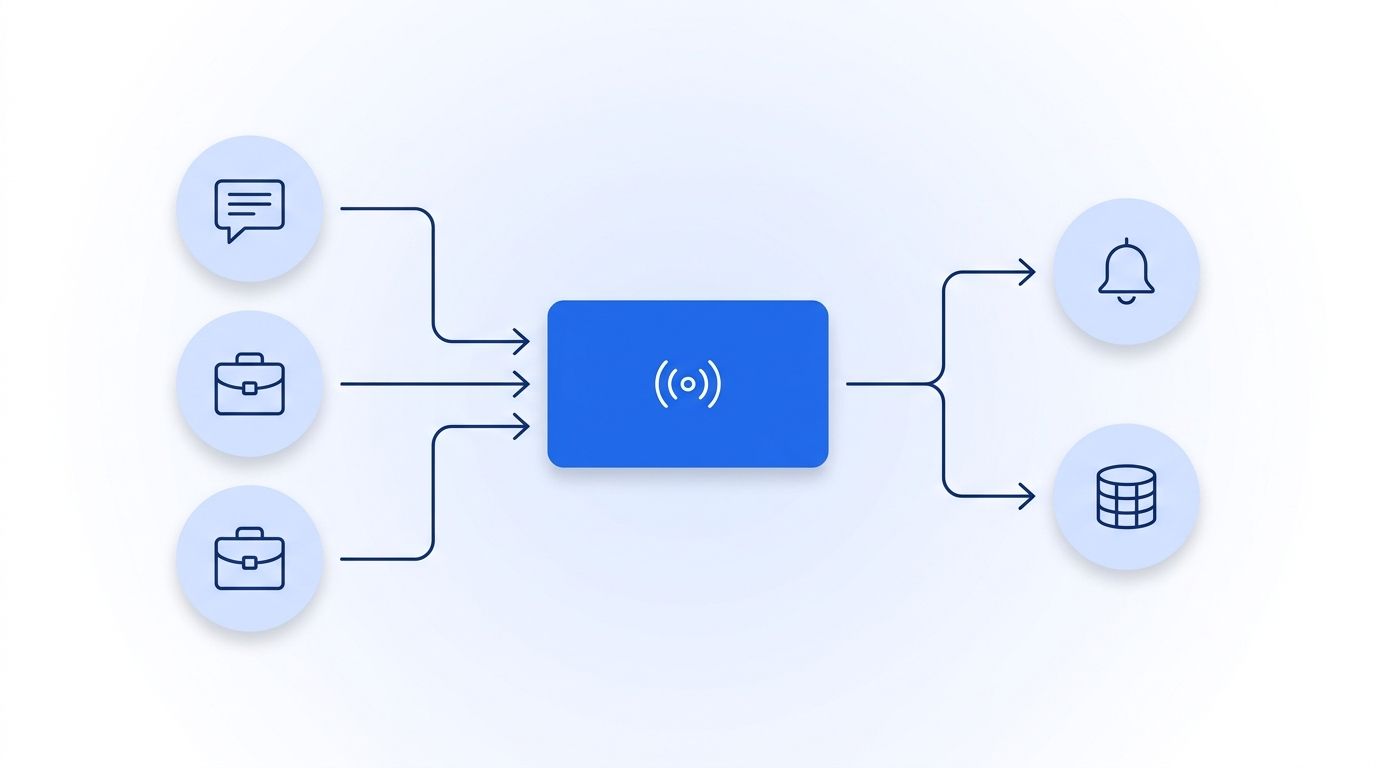
Datamagnet's Signal API is built around that gap: company, keyword, industry, and person-level LinkedIn engagement monitors run alongside job-change tracking, so a champion's new post and their new job title can trigger the same webhook. The Champion Tracker cookbook walks through re-engaging a departed power user at their new company, and the Competitor Hijack playbook covers surfacing leads who engage with a rival's content — both first-party, both real-time.
Why Is Buyer Behavior Shifting Faster Than Most Intent Stacks Can Track?
Why does any of this matter more in 2026 than it did two years ago? Because the research step itself moved. 51% of B2B software buyers now start their research with an AI chatbot more often than with Google — up from 29% in April 2025 — and 71% rely on AI chatbots for software research overall (G2, "The Answer Economy: 2026 AI Search Insight Report", Apr 2026).
That same G2 report found 69% of buyers chose a different vendor than they'd originally planned based on AI-chatbot guidance, and 33% bought from a vendor they weren't previously familiar with. Third-party intent data built on tracking anonymous website visits struggles here — an AI-chatbot-driven buyer may never visit your site directly until they're ready to demo. First-party signals tied to a real identity (a LinkedIn comment, a job move, a G2 comparison view) hold up better against that shift, since they're anchored to a known person rather than an anonymized IP.
Buyer Intent Data Provider Comparison Table
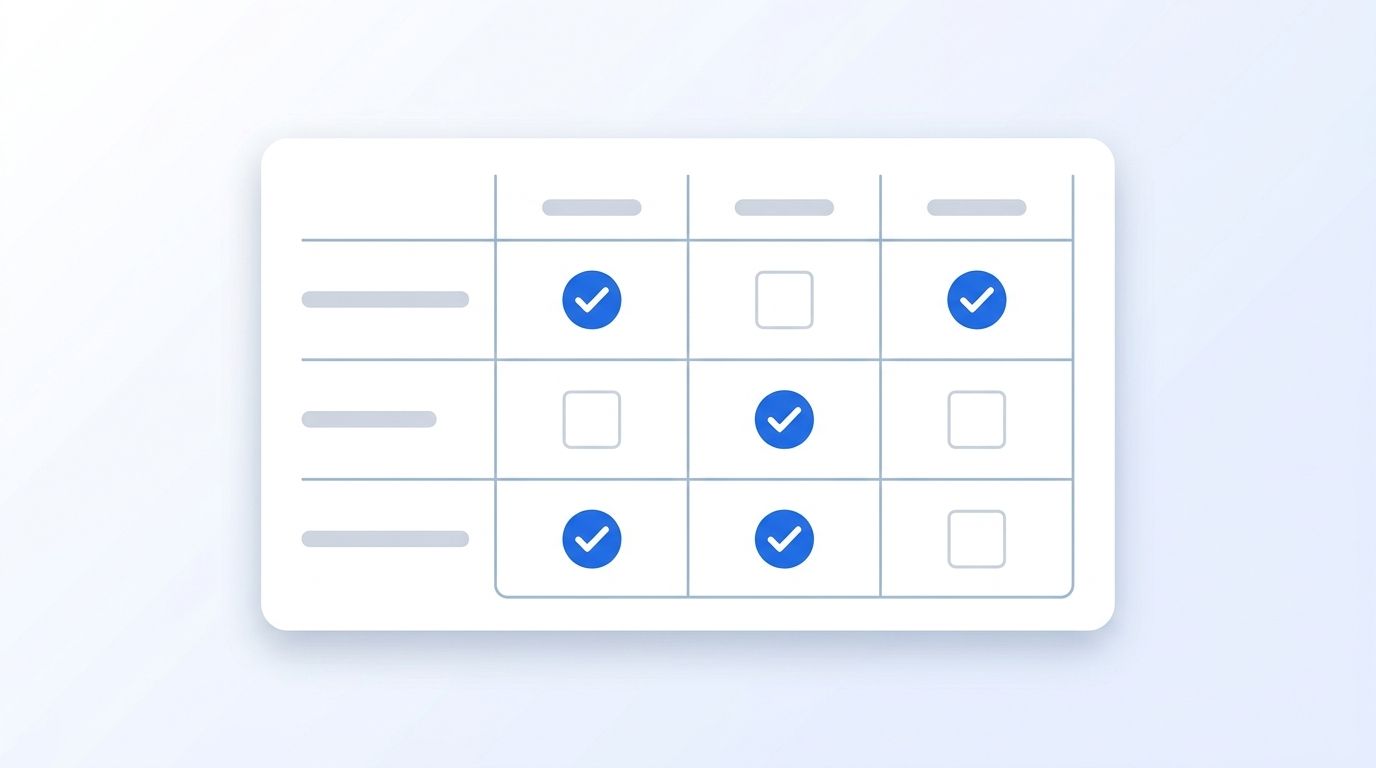
| Provider | Third-Party Intent | First-Party Site Visitor | Technographic | Review-Site Intent | Job-Change Trigger | LinkedIn Engagement |
|---|---|---|---|---|---|---|
| ZoomInfo | Yes | Yes | Yes | No | Yes | No |
| 6sense | Yes | Yes | Yes | No | No | No |
| Bombora | Yes | No | No | No | No | No |
| Demandbase | Yes | Yes | No | No | No | No |
| G2 Buyer Intent | No | No | No | Yes | No | No |
| TechTarget Priority Engine | Yes | No | No | No | No | No |
| Cognism | Yes (add-on) | No | Yes | No | Yes | No |
| Intentsify | Yes | No | Yes | No | No | No |
| Warmly | Yes (add-on) | Yes | No | No | No | Yes |
Frequently Asked Questions
What's the difference between first-party and third-party buyer intent data?
First-party intent is behavior tied to a known identity you can verify — a website visit, a LinkedIn comment, a job change. Third-party intent infers activity from a cooperative data network of anonymized publisher visits. First-party signals cost less to trust, which matters given that 87% of organizations report unreliable intent signals overall (DemandScience, 2025).
How much does enterprise buyer intent data cost in 2026?
Enterprise organizations with 1,000+ employees spend a median of $312,000/year on contracted intent data, compared to $84,000/year at mid-market companies with 200–1,000 employees (The Starr Conspiracy, 2025). Pricing is quote-based for most providers on this list, so actual spend varies by account and topic volume.
Can LinkedIn engagement be used as a buyer intent signal?
Yes. Warmly tracks LinkedIn profile views, post likes, comments, and connection activity via OAuth as a native "second-party" signal, and dedicated APIs like Datamagnet's person engagement signal monitor the same activity in real time. It's a first-party-adjacent signal since it's tied to a known LinkedIn identity, not an anonymized IP.
Which buyer intent data provider is best for job-change triggers?
ZoomInfo and Cognism both offer structured job-change alerts sourced from their own contact-database refresh cycles. For a more real-time approach tied directly to LinkedIn profile updates, look for a provider that can create a signal monitor to track job changes as they're posted rather than waiting on a database sync.
Do buyer intent data providers help with AI-chatbot-driven research?
Not directly yet. Most intent providers still track website visits or third-party content consumption, while 51% of B2B software buyers now start research with an AI chatbot instead of Google (G2, Apr 2026). Identity-anchored first-party signals — a LinkedIn engagement or a G2 comparison view — hold up better than anonymous visitor tracking against that shift.
How Should You Choose a Buyer Intent Data Provider for 2026?
Nine providers, five signal types, no single winner. ZoomInfo covers the most ground for teams that want one enterprise contract; Bombora and Intentsify give you third-party breadth if you're building your own stack; G2 and TechTarget catch buyers already comparing options; Warmly is the lone name here with native LinkedIn engagement.
- Match the signal type to the play — job-change triggers for champion tracking, review-site intent for competitive displacement.
- Budget accordingly: enterprise intent data runs a median of $312,000/year, nearly 4x the mid-market spend.
- Treat every third-party signal with the 87%-unreliable stat in mind, and weight first-party, identity-anchored signals higher when you can.
- If LinkedIn engagement and job-change detection matter more than broad third-party topic coverage, explore Datamagnet's Signal API or the VIP Engagement Radar cookbook for tracking executive-level buying signals in real time.
Sources
- Gartner, "Gartner Identifies Top Sales Technologies to Boost Buyer Engagement," retrieved 2026-09-14, https://www.gartner.com/en/newsroom/press-releases/2023-05-16-gartner-identifies-top-sales-technologies-to-boost-buyer-engagement
- Forrester (via PR Newswire), "Forrester's B2B Marketing & Sales Predictions 2025," retrieved 2026-09-14, https://www.prnewswire.com/apac/news-releases/forresters-b2b-marketing--sales-predictions-2025-more-than-half-of-large-b2b-purchases-will-be-processed-through-digital-self-serve-channels-302282637.html
- G2 (via PR Newswire), "The Answer Economy: 2026 AI Search Insight Report," retrieved 2026-09-14, https://www.prnewswire.com/news-releases/new-g2-research-half-of-b2b-software-buyers-now-start-their-research-with-ai-chatbots-302742807.html
- DemandScience, "2026 State of Performance Marketing Report," retrieved 2026-09-14, https://demandscience.com/press-releases/state-of-performance-marketing-2026-benchmark-report/
- The Starr Conspiracy, "B2B Intent Data Benchmarks 2025," retrieved 2026-09-14, https://www.thestarrconspiracy.com/insights/benchmarks/b2b-intent-data-benchmarks-2025
- LinkedIn Sales Solutions, "What You Need to Know About Decision Maker Job Changes," retrieved 2026-09-14, https://www.linkedin.com/business/sales/blog/b2b-sales/what-you-need-to-know-about-decision-maker-job-changes
- ZoomInfo/G2 (via Businesswire), "ZoomInfo Ranks No. 1 in 142 G2 Spring 2026 Reports," retrieved 2026-09-14, https://www.businesswire.com/news/home/20260416507537/en/ZoomInfo-Ranks-No.-1-in-142-G2-Spring-2026-Reports-Across-Sales-Intelligence-Buyer-Intent-Data-and-Lead-Capture
